800-966-9090
 Mistakes to avoid when choosing storage bins for your facility


Mistakes to Avoid When Choosing Storage Bins for Your Facility:
When it comes to organizing a warehouse, stockroom, or commercial facility, choosing the right storage bins may seem like a simple decision. In reality, selecting the wrong type of bin can lead to wasted space, product damage, inefficiencies and even safety risks. At Simplastics.com, we specialize in providing high-quality plastic storage bins for industrial, retail, and healthcare environments—and we've seen firsthand what can go wrong when storage solutions aren't properly planned.
In this guide, we’ll walk through the top mistakes to avoid when choosing storage bins and offer tips to help you make the right choices for your facility.
Mistake #1: Choosing the Wrong Size Bin
Why it matters:
One of the most common mistakes businesses make is selecting bins that are either too small or too large for their intended use. Too-small bins can’t hold enough inventory and may result in overflows or poor stacking, while oversized bins waste shelf space and may not fit neatly in racking systems. Some bins’ design have an additional dimension that should be considered and that is the inside length at the bottom of the bin.
What to do instead:
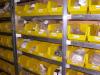
Measure the space where the bins will go (shelves, carts, racks), and consider the size and volume of the items you'll store. For example, if you're storing hardware or small parts, a divider bin or shelf bin is usually ideal. If you're storing larger or bulkier inventory, stackable bins are a better option.
Mistake #2: Ignoring Weight Capacity
Why it matters:
Not all plastic bins are designed to hold the same weight. Choosing a lightweight bin for heavy products can lead to cracks, breakage, or collapse—creating a mess, a safety hazard, as well as a financial loss.
What to do instead:
Check the load capacity for each bin before you buy. At Simplastics, we list load ratings on all our product pages. If you're storing tools, hardware, or bulk items, choose heavy-duty stackable bins made from industrial-grade plastic.
Mistake #3: Not Considering Stackability and Compatibility
Why it matters:
Stacking bins improperly—or choosing bins that don’t interlock—can lead to inefficient use of vertical space, unstable stacks, and safety issues.
What to do instead:
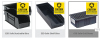
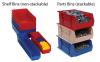
If your goal is to stack vertically, select bins that are specifically designed to be stackable or nestable. These bins are built with reinforced corners and interlocking rims to ensure stable stacking. If you’re using a shelving system, look for shelf bins that fit snugly and use dividers to optimize space.
Tip: Always double-check bin dimensions and ensure compatibility with your existing shelving or racking systems.
Mistake #4: Overlooking the Environment
Why it matters:
Using open bins in dusty environments or non-ventilated bins in places that require airflow can create problems. Likewise, bins used in medical or food service industries must meet sanitation standards.
What to do instead:
Choose the bin style that suits your operating environment:
- For cleanroom or lab settings, go with bins made of FDA/NSF-approved materials.
- In dusty or dirty environments, opt for bins with lids or straight-wall stackable bins.
- For high-moisture areas, use vented bins that allow air circulation.
Simplastics offers a wide range of materials and styles to meet these needs.
Mistake #5: Forgetting About Color-Coding and Labeling
Why it matters:
Unlabeled or mismatched bins can cause confusion and inefficiency—especially in fast-paced warehouses. Workers may waste time looking for the right items or misplace parts.
What to do instead:
Use color-coded bins to identify categories of items, departments, or levels of urgency. Many of our bins at Simplastics come in red, blue, yellow, green, and clear for this exact reason. Pair them with bin labels or holders to clearly mark contents, SKUs, or lot numbers.
Explore our full range of Color-Coded Bins
Mistake #6: Buying Without a Storage Plan
Why it matters:
Randomly buying bins without a plan often results in a mix of styles, sizes, and shapes that don’t work well together. This leads to wasted space, poor organization, and potentially more costs down the line.
What to do instead:
Before you buy, take a moment to map out:
- What items you need to store
- Where those bins will be used (shelves, carts, freestanding)
- Whether you need to move bins regularly (consider handle bins or bins for mobile carts)
- Whether dividers or lids are necessary
Create a consistent system of bin types and sizes across your facility.
Mistake #7: Skipping on Quality to Save Money
Why it matters:
While it might be tempting to buy cheaper bins from big-box retailers or general marketplaces, low-quality bins often crack under pressure, warp over time, or aren’t designed for commercial use.
What to do instead:
Invest in commercial-grade plastic bins made from durable polypropylene or polyethylene. At Simplastics, all of our bins are designed to withstand industrial environments. The cost upfront is minor compared to the long-term savings in durability, performance, and safety.
Final Thoughts: Choose Smart, Store Smarter
Storage bins may seem simple, but choosing the wrong ones can slow down your workflow, waste space, and cost you money. By avoiding the mistakes above and making informed decisions, your facility can become more organized, efficient, and safe.
At Simplastics.com, we specialize in high-quality plastic storage bins tailored for businesses just like yours. Whether you need shelf bins, stackable bins, divider bins, or bulk storage solutions, we have the inventory and expertise to help.
Need Help Choosing the Right Bin?
Our team is happy to help you find the right size, style, and configuration for your facility.
Contact us today or browse our full selection at Simplastics.com
Remember, organization drives efficiency, efficiency drives success.